

 Berlin
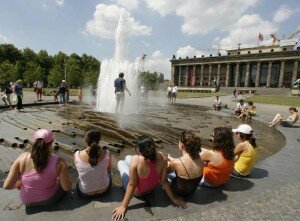
Berlin is the capital and largest city in Germany with a population of 3.5 million within its metropolitan area. It is the centre of the Berlin-Brandenburg Metropolitan Region, located in north-eastern Germany. It is known as a global city, playing an important role in the global economic system. The city’s economy is primarily based in the service sector.
Berlin is also a global cultural city, famous for its art, music, theatre and museums. The ensemble of five internationally known and renowned museums on Museum Island, all fragments of the Berlin State Museums, is a UNESCO World Heritage Site.
Since the 1980s, the German Green Movement has grown widely and has become entrenched in political ideology. Sustainability is a major priority in Berlin and for wider Germany and it is a concept that is connected to national identity and international leadership.
The City of Berlin has been a participant of the UN Global Compact since 2005.
Innovating Project Innovating City
Berlin as a Health Care Centre
Berlin’s project as an Innovating City in the UNGCCP focuses on improving health management and health care services in Berlin. It provides an exchange of experience with other cities on the subjects of health care in metropolitan areas and social responsibility, a physicians’ exchange and partnerships in the area of public health management, also involving the Business Coalition against AIDs.